
Editorial Picks
5 Hidden Cafes in Hipjiro Worth the Detour from Myeongdong
A walkable Hipjiro circuit, basically — Sikmul on a printing-shop third floor, Coffee Hanyakbang down a Cheonggyecheon alley, Layered in the Bukchon hanok lanes, Mil Toast House inside the Myeongdong perimeter, and Cheongsudang in the Ikseondong heritage alleys, sequenced for queens running an aesthetic-and-cafe rotation from a central Seoul hotel.
Hipjiro — the affectionate Korean nickname for the resurgent Euljiro printing-press district two subway stops east of Myeongdong — is, basically, the iconic Seoul cafe register for queens who treat coffee as architecture rather than caffeine, lah. The printing-shop ground floors still cut and hammer through the afternoon, and the upper storeys of those exact same buildings have been quietly converted into some of the most considered independent cafes in central Seoul. The circuit reads particularly well from a Myeongdong hotel base — Sikmul is a four-minute walk from Euljiro 3-ga, Coffee Hanyakbang sits a ten-minute Cheonggyecheon-stream walk north, Mil Toast House anchors the Myeongdong perimeter itself, and the Bukchon-Ikseondong pair closes the circuit one Line 3 transfer away. Five rooms, no ranking, all reachable on foot or single subway hop. The framing here is a Singapore-ASEAN read on the Hipjiro register — a cafe circuit composed for the queen running an aesthetic-and-travel rotation, with a Sofwave session sitting alongside the cafe afternoons rather than competing for attention. For a returning visitor who has worked the louder Garosu-gil or Seongsu cafe runs in a previous Seoul stay, Hipjiro composes the quieter and more architecturally serious alternative, basically.
Why the Hipjiro cafe circuit matters for a central Seoul trip
Hipjiro is the half-affectionate Korean portmanteau — 'hip' plus 'Euljiro' — for the resurgent printing-press district east of central Myeongdong, layered with old metal-and-paper workshops on the ground floors and a coherent independent-cafe culture on the upper storeys of the same buildings. The cafe layer here is structurally different from the louder Seongsu warehouse-conversion scene and the chain-roaster footprint along Garosu-gil — smaller rooms, more variable hours, editorial cadence rewarding a forty-minute pause rather than a five-minute photograph. Selection draws from three reference layers: Visit Seoul and Visit Korea's English-language coverage, Time Out Seoul's cafe roundups, and the regional beauty-and-wellness desk coverage that anchors the cafe-as-trip-variable framing. The five rooms below are the ones that have held their conversation across three consecutive seasonal rotations. A queen on a four-day central-Seoul trip can pair daytime sightseeing or a Sofwave session with cafe afternoons without rerouting the trip — the Hipjiro layer and the palace layer share the same subway spine, basically.
How we sequenced this circuit
Methodology, queens. The five rooms here are sequenced by walking and transit distance from Myeongdong Station, not by editorial ranking. Mil Toast House is the closest at a five-to-seven minute walk inside the Myeongdong perimeter; Coffee Hanyakbang sits ten minutes north along the Cheonggyecheon stream walk; Sikmul is one subway stop east at Euljiro 3-ga plus a four-minute walk; and the Anguk-Ikseondong pair clusters along Line 3 within fifteen minutes door-to-door. Pricing and operating hours are reported at editorial time and worth re-checking on the day of visit, as Korean independent cafes adjust their schedules with seasonal exhibitions and shop closures. The presentation is Featured A through E — alphabetical and editorially weighted the same, ordered by walking distance — and is meant as a frame for a real two-afternoon rotation rather than a hierarchy. Inclusion is editorial and final; none of the venues featured here are partners of the parent network. A queen on a careful first-time Seoul stay should treat this list as a reading of the canon rather than the canon itself, basically.
What is excluded, and on what reasoning
The chain specialty roasters that anchor the broader Seoul coffee canon — Starbucks Reserve flagship, Blue Bottle Samcheong, Fritz Coffee Company's larger branches — are excluded, not because they are unworthy, but because the editorial premise here is precisely the rooms that operate independently of the chain-roaster footprint. The Seongsu warehouse-conversion cafes belong on a separate east-of-the-river afternoon and sit outside the Myeongdong walking-and-transit radius the list is built around. The dessert chains on the Myeongdong shopping strip itself are held back on the grounds that they are well covered by general guidebooks and do not belong to the Hipjiro printing-alley register. Cheongdam's premium pastry rooms sit deep in Gangnam and read as a separate southern afternoon entirely.
Featured A — Mil Toast House, Myeongdong perimeter
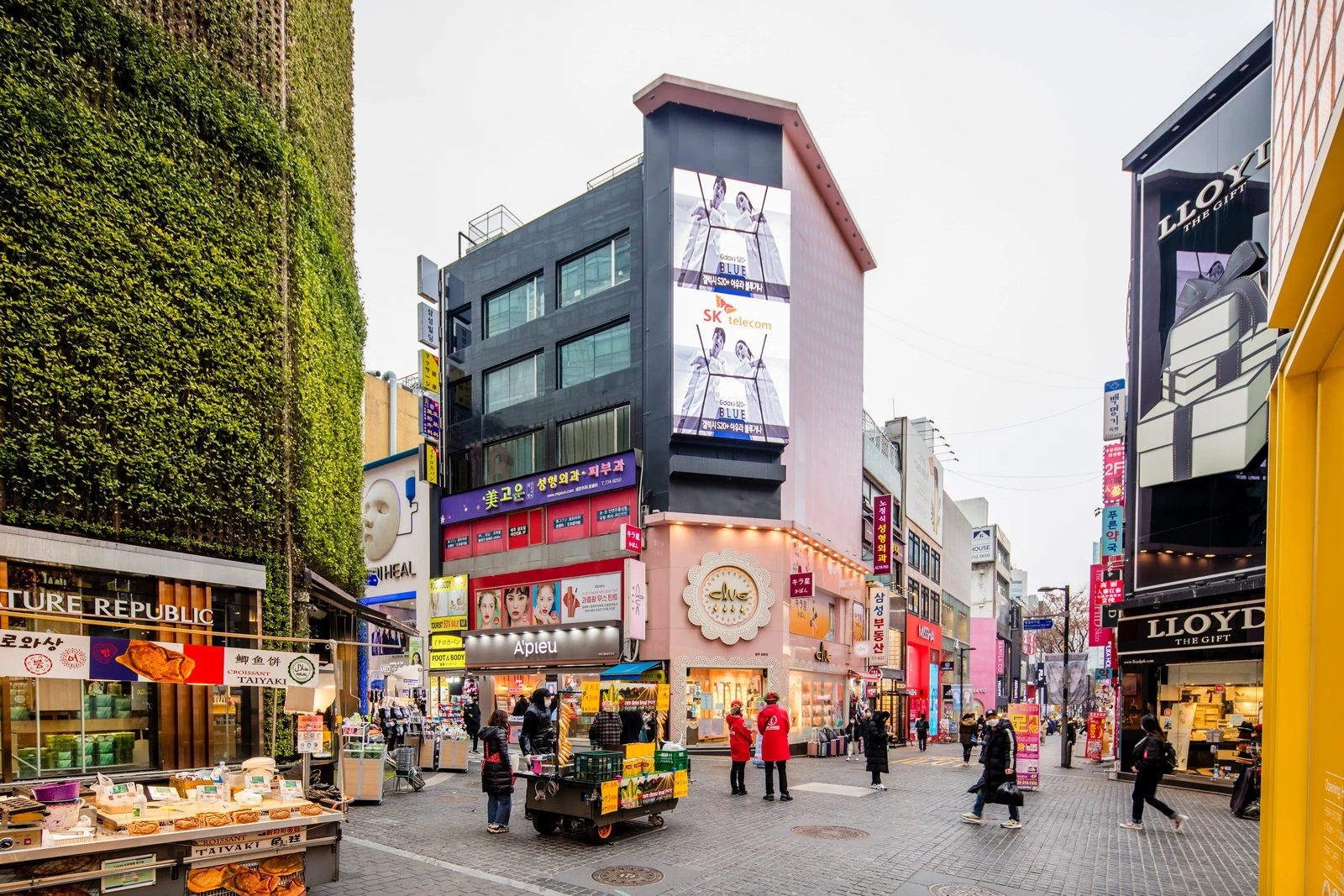
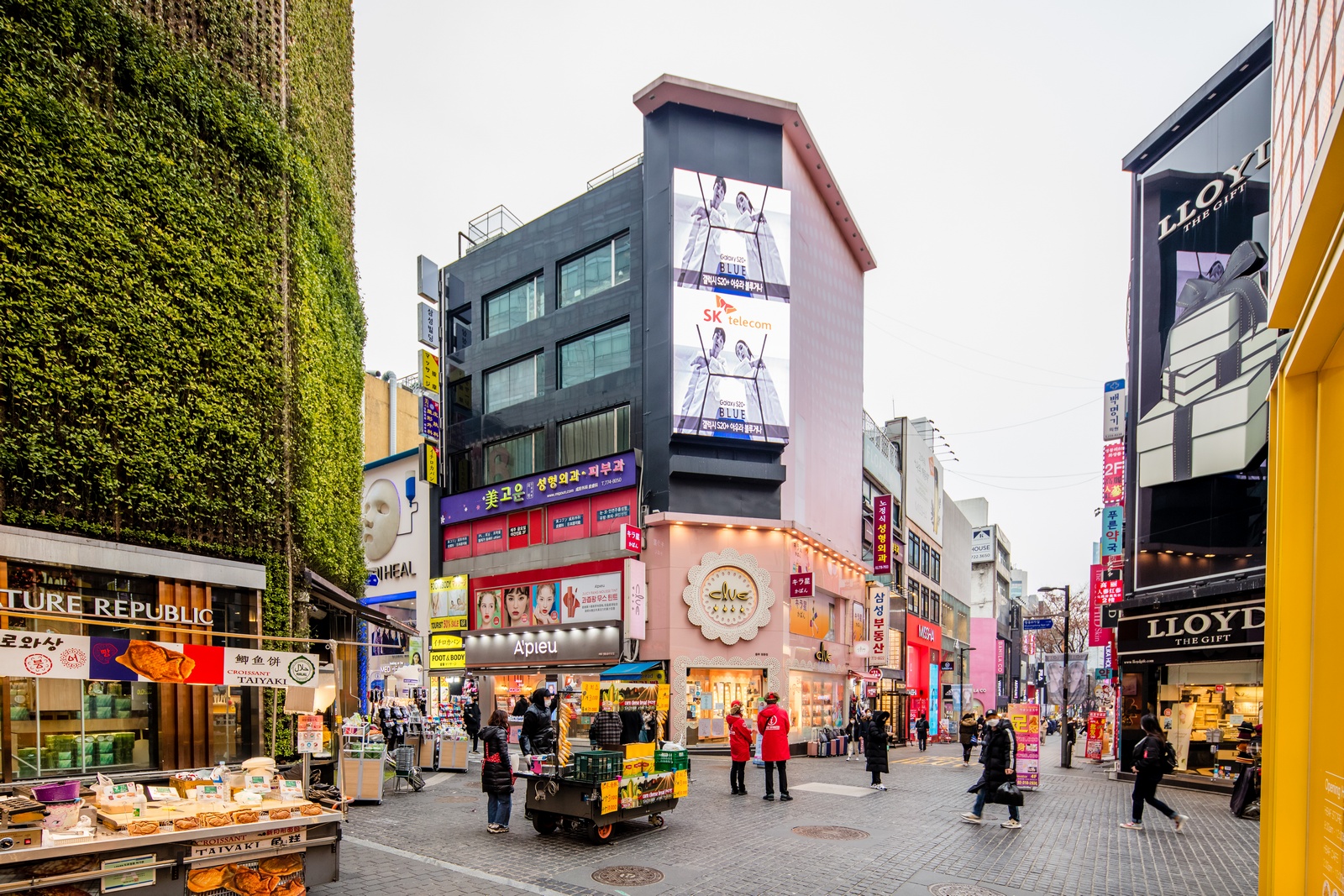
Mil Toast House is, basically, the closest room on this list to a central Myeongdong hotel base — a five-to-seven minute walk depending on the building, on the second floor accessed by a lift, and the only entry on the circuit that sits inside the Myeongdong perimeter rather than along the Euljiro or Jongno spurs. The cafe runs a long-established honey-bread and milk-tea programme that anchors several foreign-visitor dessert-cafe roundups, and the room reads as the practical opening visit for queens building the cafe circuit into a first-day Seoul rotation. The honey toast is the canonical Mil Toast experience: properly buttered and toasted, with a thoughtfully proportioned scoop of vanilla ice cream that does not melt the crust. Operating hours run 10:00 to 22:00, which makes Mil Toast the rare Hipjiro-circuit cafe that supports either a mid-afternoon recovery visit or a late-evening dessert close. Pricing sits at ₩7,000 to ₩12,000 per visit. Bilingual support runs deep: English, Mandarin, and Japanese menus at the entrance, and the staff handle mixed-language orders without fuss. Best for: queens running a first-day Myeongdong orientation, travelers staying inside the immediate Myeongdong corridor who want a cafe visit without leaving the hotel walking radius, mixed-language visiting parties, anyone closing a late-afternoon shopping-and-cosmetics afternoon with a quiet dessert pause. A practical note: the seasonal fruit-toast rotation in late spring and early summer composes meaningfully better than the year-round standard, and the kitchen will pack a sealed honey toast and milk tea for takeaway on request. The wider Myeongdong cosmetics-haul corridor sits at street level immediately below, and a careful visitor can pair the dessert visit with a thirty-minute drop-in at the larger flagship cosmetics floors without leaving the immediate block, basically.
- Strengths: honey-bread and milk-tea anchor, three-language menus, inside the Myeongdong perimeter
- Specialty: honey toast, milk tea, light dessert
- Pricing tier: $$ (₩7,000 - ₩12,000 per visit)
- Location: Myeongdong, Jung-gu — five-to-seven minute walk from a central hotel

Featured B — Coffee Hanyakbang, Cheonggyecheon-adjacent
Coffee Hanyakbang sits down a discreet alley off Samil-daero, two minutes south of the Jonggak intersection and within a comfortable ten-minute walk of central Myeongdong via the Cheonggyecheon stream — the kind of room queens find on the second pass, after the broader Hipjiro canon has been worked through. The premise is unusual and iconic, basically: a small two-storey cafe at 16-6 Samil-daero 12-gil in Jung-gu, styled after a traditional Korean medicine dispensary, with low wooden ceilings, antique wooden cabinetry holding glass jars, and a single-bar siphon coffee programme that has trained a generation of Seoul baristas. The signature hand-drip coffee is genuinely worth the queue that forms on a weekend afternoon; the menu is short, the pastry offering modest, and the editorial register reads closer to a tea house in Kyoto's Higashiyama district than to a contemporary Seoul cafe. Operating hours run 10:00 to 21:30 daily; pricing sits at ₩5,000 to ₩9,000 per visit — the most accessible price point on the circuit. The bilingual English menu is laid out without ceremony at the entrance, and the barista programme runs a small in-house roasting calendar that rotates single-origin beans on a six-week cycle. Best for: queens whose preference is the most considered coffee programme on the circuit, returning visitors who want a quieter cafe afternoon, anyone whose schedule supports the early-morning visit (10:00 to 11:00 is the calmest window), travelers who want a cafe visit that pairs naturally with a Cheonggyecheon stream walk. A practical note: the upstairs seating is tighter than the ground floor and the older building's load-bearing structure produces a sequence of small alcoves. The six-week bean rotation is the most rewarding repeat-visit variable; a queen on a second Seoul stay will find the selection meaningfully different from what the first trip delivered. The shop sells a small selection of branded coffee beans and grinders at the front desk, modestly priced, and the staff will pack the order for a flight back on request, basically.
- Strengths: traditional-medicine cabinet styling, single-bar siphon coffee, six-week bean rotation
- Specialty: hand-drip coffee, siphon brewing, traditional-house interior
- Pricing tier: $ (₩5,000 - ₩9,000 per visit)
- Location: 16-6 Samil-daero 12-gil, Jung-gu — ten-minute walk from Myeongdong

Featured C — Sikmul, Euljiro 3-ga
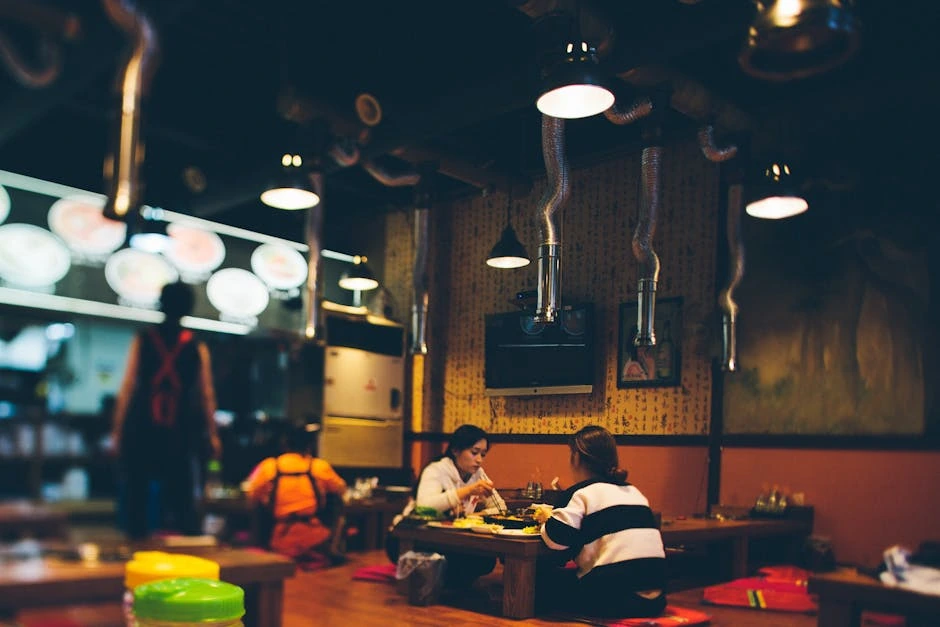
Sikmul occupies the third floor of an older Euljiro printing building at 78-1 Eulji-ro in Jung-gu and is, basically, the canonical Hipjiro room — the room that catalysed the wider Euljiro renaissance and still carries the editorial calm that the louder imitations have not matched. The space is plant-filled in the literal sense: trailing vines along the structural beams, a thicket of philodendrons by the windows, the light filtering through in a way that reads more like a cared-for greenhouse than a cafe. The room functions as cafe-by-day and small bar-by-evening on a continuous service that runs 12:00 to 23:00 (closed Sundays); the menu runs a tight specialty-coffee programme, a short cocktail list for the evening, and a small kitchen output of light plates. Pricing sits at ₩6,000 to ₩12,000 per visit. The longer evening hours make Sikmul the rare Hipjiro room that closes a full afternoon-into-evening visit cleanly rather than asking the reader to relocate at six. The walk from Euljiro 3-ga Station Exit 1 runs three to four minutes; from a Myeongdong hotel base, the subway ride is a single stop east on Line 2. A weekday afternoon between two and five reads most calmly; the room warms reliably from six onward when the evening cocktail service draws the after-work cluster. Best for: queens building a single defining Hipjiro afternoon-into-evening into the trip, returning visitors who treat architecture as a meaningful trip variable, travelers running a Sofwave-and-cafe rotation, anyone whose preference is plant-filled architectural composition over chain-roaster efficiency. A practical note: the upper-window seating reads as the iconic Sikmul photograph and is the most contested seating on a weekend evening. The autumn root-vegetable plate, when it appears on the chalkboard, is genuinely worth the visit beyond the coffee. A regional editor friend described the upper-window seating to me last spring as 'the closest Seoul gets to a tier-one Tokyo loft cafe', basically.
- Strengths: plant-filled third-floor architecture, editorial calm, evening cocktail service
- Specialty: specialty coffee, evening cocktails, light plates
- Pricing tier: $$ (₩6,000 - ₩12,000 per visit)
- Location: 78-1 Eulji-ro, Jung-gu — one subway stop east from Myeongdong
Featured D — Layered, Anguk / Bukchon
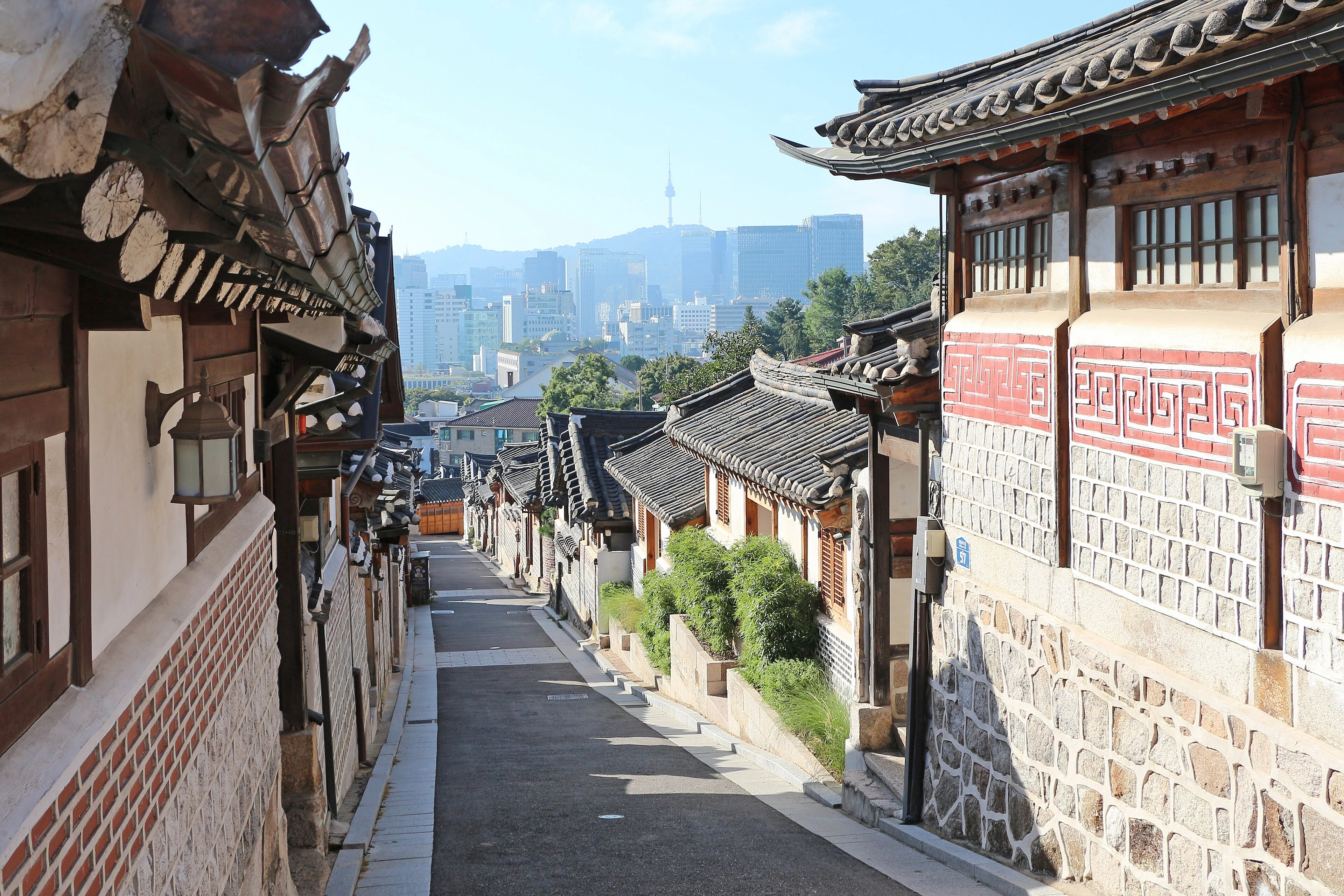
Layered's Anguk branch is the cafe a thoughtful Myeongdong-based queen should plan into the Bukchon afternoon — eight minutes by subway on Line 3, then a four-minute walk through the lanes north of Anguk Station at 9-3 Bukchon-ro 2-gil in Jongno-gu. The room runs a British-style scone programme in a generously proportioned space that reads as a careful pairing of London tea-room sensibility with Korean editorial restraint. The scones — plain, fruit, savoury rotation — are iconic rather than performative; the clotted cream and seasonal jam selection rotates on a quiet quarterly calendar; the coffee is competent rather than exceptional. Operating hours run 08:30 to 22:00, which makes Layered the rare Hipjiro-circuit cafe that supports a proper breakfast visit. Pricing sits at ₩6,000 to ₩12,000 per visit. The Anguk branch is the most internationally recognised Layered location for foreign-press cafe roundups, and the bilingual English menu reads cleanly. The space is on the ground floor with two shallow steps at the entrance; the interior holds a long communal table at the centre and smaller two-person tables along the windows. A queen pairing Layered with the Gyeongbokgung palace day will find the walking sequence runs naturally: palace morning, lunch in Bukchon, scones at Layered, evening subway back to Myeongdong. Best for: queens building a Bukchon-palace day into the trip, returning visitors who have worked through the Euljiro proper rooms and want a quieter Jongno-tier afternoon, mixed-language visiting parties whose preference is a generously proportioned room with steady English-speaking staff. A practical note: the seasonal fruit-scone rotation in late spring and early summer is meaningfully better than the year-round plain, and the kitchen will pair a tasting flight of three scones with a small bowl of seasonal jam on request. A weekday morning between 09:00 and 11:00 is the courteous hour; the Saturday afternoon queue reaches a steady twenty-to-thirty-minute waitlist on the busier weekends, basically.
- Strengths: British-style scone programme, ground-floor accessibility, Bukchon proximity
- Specialty: scones, clotted cream and seasonal jam, light pastry
- Pricing tier: $$ (₩6,000 - ₩12,000 per visit)
- Location: 9-3 Bukchon-ro 2-gil, Jongno-gu — Line 3 from Myeongdong

Featured E — Cheongsudang, Ikseondong heritage alley
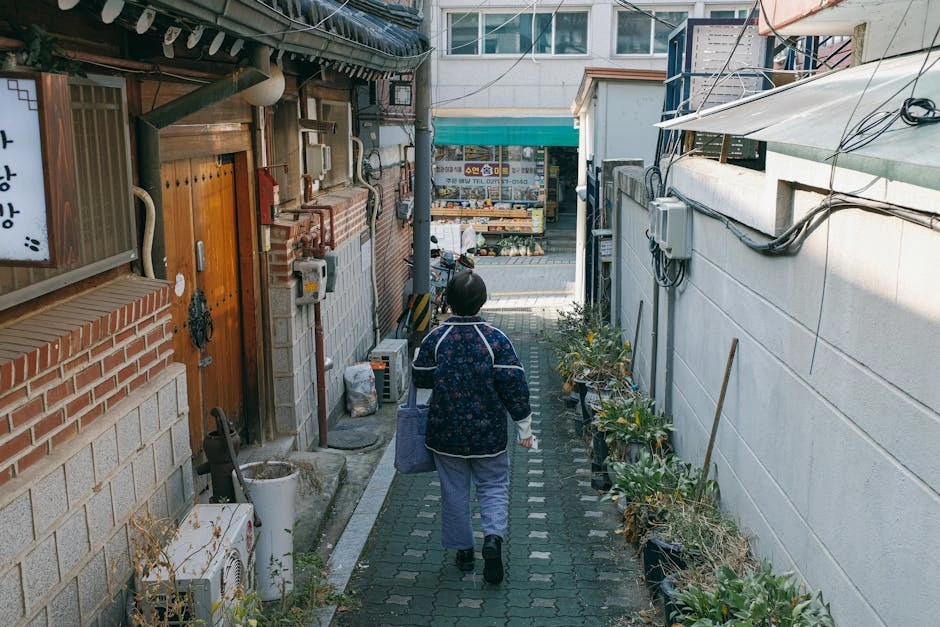
Cheongsudang is the room that closes the circuit — a hanok-courtyard dessert cafe at 16-7 Donhwamun-ro 11-na-gil in Jongno-gu, deep in the Ikseondong heritage alley network, one subway stop from Euljiro 3-ga on Line 3 plus a five-minute walk through the older hanok lanes. The premise is the most architecturally ambitious on this list: a converted hanok with a small interior courtyard, low wooden ceilings, sliding paper screens, and small tatami-style rooms arranged around the central yard. The dessert programme runs a Japanese-Korean fusion register — matcha mochi, seasonal red-bean confections, a quietly excellent shaved-ice rotation in the summer months — and the coffee and tea selection is competent rather than exceptional, which one should accept for the architectural cadence of the visit. Operating hours run 11:00 to 22:00 daily; pricing sits at ₩8,000 to ₩15,000 per visit — the highest-tier price point on the circuit. The bilingual English menu is functional rather than richly translated; the staff speak conversational English on request. The Ikseondong location matters: a circuit of Cheongsudang plus a slow Ikseondong lane walk plus a small craft-store detour composes a clean two-hour pause that closes the cafe day. Best for: queens treating architecture as a meaningful trip variable, returning visitors who want the most architecturally serious Hipjiro-adjacent cafe visit, anyone whose preference is hanok composition over modern-loft architecture. A practical note: the hanok structure involves a small step at the entrance; the inner-courtyard rooms are accessed by short wooden risers and the front room is the more accessible option for a visitor managing limited mobility. The wooden floor requires shoes off at the threshold, in the hanok cadence. The summer shaved-ice rotation in July and August has earned a steady weight of long-form coverage across the regional lifestyle press. A weekday early afternoon around two reads most calmly; weekend afternoons warm to a steady waitlist by mid-day, basically.
- Strengths: hanok-courtyard architecture, Japanese-Korean dessert fusion, Ikseondong heritage walk
- Specialty: matcha mochi, seasonal confections, summer shaved-ice rotation
- Pricing tier: $$ (₩8,000 - ₩15,000 per visit)
- Location: 16-7 Donhwamun-ro 11-na-gil, Jongno-gu — Line 3 from Myeongdong
How the five rooms compare at a glance
Categorical positioning, not ranking — pick the afternoon that fits the trip, queens. The table below reads the five rooms across the editorial axes a Myeongdong-based visitor cares about: walking or transit reach, operating hours, pricing tier, and the best-for register that signals which kind of afternoon each room naturally composes.
| Cafe | Reach from Myeongdong | Hours | Pricing | Best for |
|---|---|---|---|---|
| Mil Toast House | 5-7 min walk | 10:00 - 22:00 | ₩7,000 - ₩12,000 | Myeongdong-perimeter dessert anchor, mixed-language visits |
| Coffee Hanyakbang | 10-min Cheonggyecheon walk | 10:00 - 21:30 | ₩5,000 - ₩9,000 | Single-bar siphon coffee, accessible price tier |
| Sikmul | One subway stop east + 4-min walk | 12:00 - 23:00 (closed Sun) | ₩6,000 - ₩12,000 | Plant-filled third-floor architecture, evening cocktail close |
| Layered | Line 3 + 4-min walk | 08:30 - 22:00 | ₩6,000 - ₩12,000 | British-style scone breakfast, Bukchon palace pairing |
| Cheongsudang | Line 3 to Jongno 3-ga + 5-min walk | 11:00 - 22:00 | ₩8,000 - ₩15,000 | Hanok-courtyard architecture, Ikseondong heritage close |
How to build a real two-afternoon Hipjiro rotation from Myeongdong
The circuit is not a single-day proposition, queens — five rooms across two distinct neighbourhood registers are too many to walk well in one afternoon, and the queen who attempts it tends to leave with a flattened recollection of all of them. A more considered reading splits the rooms into two afternoons. The first afternoon — Hipjiro proper plus the Myeongdong anchor — pairs Mil Toast House, Coffee Hanyakbang, and Sikmul. The standard rhythm: late-morning visit at Mil Toast House around eleven o'clock for the canonical honey-toast opening, a slow Cheonggyecheon-stream walk north to Coffee Hanyakbang for the early-afternoon single-bar siphon programme, a short subway hop east to Euljiro 3-ga for an afternoon-into-evening visit at Sikmul that closes around eight o'clock with the cocktail service. The second afternoon — Bukchon and Ikseondong — pairs Layered with Cheongsudang and a slow heritage-alley walk in between, ideally beginning at the Gyeongbokgung palace gate around ten o'clock and closing at the Jongno 3-ga subway around five. The standard rhythm: palace morning, scones at Layered around eleven, lunch in the Bukchon hanok lanes, a slow Ikseondong heritage-alley walk after one o'clock, dessert at Cheongsudang around three, evening subway back to Myeongdong by five. Most rooms close on Sunday or Monday; Tuesday through Saturday read most reliably, and a late-afternoon visit between two and five is the courteous hour for the busier rooms. The wider Hipjiro neighbourhood also rewards a thirty-minute pause for the older printing-shop ground floors before they close at five — its own quiet visit, basically, and a clean midpoint between the Coffee Hanyakbang and Sikmul legs.
Where the Sofwave session fits into a cafe-anchored trip
Logistics, queens. Sofwave SUPERB sessions in central Seoul typically run 30 to 45 minutes with downtime that is functionally zero for most patients — mild erythema for two to four hours, occasional transient warmth, no swelling pattern of consequence, no procedural-day restriction on a quiet afternoon walking pace. The treatment slots between a morning palace visit and a late-afternoon cafe afternoon without disrupting the trip, basically. A practical structure looks like: 10:00 palace morning at Gyeongbokgung, 12:00 lunch in Bukchon, 13:30 to 14:30 Sofwave session at a specialist central-Seoul clinic, 15:30 to 17:00 quiet rest hour back at the hotel, 17:00 onwards an early-evening Coffee Hanyakbang visit or a slow Cheonggyecheon-stream walk that closes at Sikmul for the cocktail service. The cafe register is genuinely compatible with the Sofwave session because the procedural day produces no swelling pattern of consequence and the treated areas are observably comfortable on a quiet afternoon walk within hours of the session — the courteous practice is simply to skip the hot pools that anchor the bathhouse register and stick to the cafe-and-walking layer for the procedural evening. We cover treatment-side logistics in the half-day treatment guide and same-day-activity framing in the no-downtime overview, and the cafe-and-walking pairing in the aftercare reference. A queen running a careful aesthetic-and-cafe rotation will find the two-afternoon cafe frame above already builds in this discipline — the Sofwave session sits on a day distinct from the Hipjiro proper rotation, with the lighter Layered breakfast and the slower Ikseondong heritage afternoon as the gentler post-procedural composition, basically.
Seasonal notes and what shifts through the cafe year
The Hipjiro cafe circuit is meaningfully seasonal, queens, and a trip planned across spring, summer, autumn, or winter will read the same five rooms quite differently. Spring brings the canonical Hipjiro register at its architectural best — the natural light through the upstairs Euljiro lofts and the Bukchon hanok lanes reads at its cleanest from late March through early June, and the Layered fruit-scone rotation in May warms to one of the more rewarding seasonal cafe visits in central Seoul. Summer is the architecturally defining season at Cheongsudang; the shaved-ice rotation in July and August runs through the inner-courtyard rooms in a way that suits the hanok cadence. Autumn is the visually defining cafe season — the late-October-to-early-November palette frames the Bukchon walk at its most photographed, and the natural light through the Sikmul upper-window seating reads at its iconic Tokyo-loft-cafe cleanest. Winter is the canonical contemplative-cafe season; the upstairs Hipjiro lofts at Sikmul and the inner-courtyard rooms at Cheongsudang read at their most architecturally rewarding when the outside temperatures drop. None of this changes the two-afternoon circuit logic above, but a trip planned for any specific month will find the rooms meaningfully different from what the previous season delivered, basically — which is part of why returning queens so often build a second or third Seoul trip around a different cafe season, slay.
Editorial note
This list is a categorical edit, not a ranking — Korean medical-tourism advertising regulation under Article 56 paragraph 4 of the Medical Service Act prohibits direct comparison or ranking of named healthcare facilities, and while a cafe guide is not a clinic guide, the editorial discipline of treating named venues as a categorical edit serves the reader well across both registers. None of the venues featured here have any commercial relationship with this publication. Hours and pricing are accurate to the most recent verified visit; readers should verify directly the day before, in the way one would for a respected restaurant. A wider note on the etiquette of the Hipjiro circuit: the rooms operate on local rhythms that international visitors are not always immediately tuned to — quiet voices, no flash photography indoors, the hanok floor cadence at Cheongsudang requiring shoes off at the threshold. The kindest visit is the one that reads the room first and follows rather than leads. The staff at every venue on this list have, basically, repaid that courtesy with a thoughtful welcome and the occasional unsolicited recommendation.
“The Hipjiro cafe layer rewards the queen who treats it as two unhurried afternoons rather than a single dense rotation — Mil Toast and Coffee Hanyakbang and Sikmul for the printing-alley afternoon, Layered and Cheongsudang for the hanok-and-heritage afternoon, with the Sofwave session sitting alongside rather than competing with the cafe register, basically.”
Editorial — Myeongdong Sofwave
Frequently asked questions
Are all five cafes genuinely reachable from a central Myeongdong hotel?
Yes, basically — three of the five sit within a ten-minute walk from central Myeongdong. Mil Toast House is inside the perimeter at a five-to-seven minute walk; Coffee Hanyakbang is a ten-minute Cheonggyecheon-stream walk north; Sikmul is one subway stop east on Line 2 plus a four-minute walk. Layered and Cheongsudang require a single Line 3 transfer, ten to fifteen minutes door to door. None involves more than a single transit leg, queens.
Which of the five accept walk-ins reliably on a weekend?
All five run walk-in only as the standard practice, basically. The Saturday afternoon waitlist at Coffee Hanyakbang and Cheongsudang regularly runs twenty to forty minutes from two o'clock onward; Mil Toast House handles a steady mixed-language churn without significant wait. A weekday afternoon visit is the courteous practice across the circuit; a weekend visit should arrive fifteen to twenty minutes early on the busier rooms — Coffee Hanyakbang and Cheongsudang in particular warm to peak waitlist between 14:00 and 17:00.
Are the menus and signage adequate for a non-Korean-speaking visitor?
Generally yes, queens. Four of the five — Sikmul, Coffee Hanyakbang, Layered, and Mil Toast House — maintain bilingual English menus that read cleanly. Mil Toast House additionally maintains Mandarin and Japanese menus, which supports mixed-language visiting parties. Cheongsudang's English menu is functional rather than richly translated; staff at every venue on this list speak conversational English on request.
Which days of the week should be avoided for this circuit?
Sikmul closes on Sundays — the only weekly closure on the circuit. The other four rooms run a steady weekday schedule and most weekend hours; Coffee Hanyakbang and Cheongsudang warm to long waitlists on Saturday afternoons from two o'clock onward. Major Korean public holidays — the Lunar New Year period, Chuseok, Liberation Day, and a handful of others — produce variable closures. Tuesday through Friday afternoons read most reliably across the rotation, basically.
Is the cafe circuit appropriate for a visitor recovering from a Sofwave session in central Seoul?
Yes — the cafe register is genuinely compatible with the Sofwave SUPERB session, queens. Mil Toast House and Layered in particular read well for a recovery afternoon, both running shorter visit lengths, accessible interiors, and gentle walking distances from a central hotel. Sikmul and Coffee Hanyakbang involve narrow staircases that may suit a visitor managing limited mobility less well; Cheongsudang's hanok structure includes small step-ups. A recovering visitor should follow the protocol provided by the treating clinician rather than a cafe itinerary.
How does the Hipjiro cafe register differ from the larger Seoul specialty-coffee scene?
Hipjiro reads as a small-batch independent register — single-bar siphon programmes, plant-filled lofts above old printing buildings, considered editorial menus — distinct from the larger specialty-coffee circuit in Seongsu warehouse conversions or the chain-roaster footprint along Garosu-gil, basically. The room sizes are smaller, the operating hours more variable, and the editorial cadence rewards a forty-minute pause over a five-minute photograph. A queen who has spent time in the quieter Tokyo neighbourhood cafes will recognise the register immediately.
Can I combine a Sofwave session with a cafe afternoon on the same day?
Yes, queens — and this is the genuinely compatible part of the Sofwave register that distinguishes it from the hot-pool bathhouse layer. Sofwave SUPERB sessions typically run 30 to 45 minutes with functionally zero downtime; a same-day cafe visit composes cleanly because the procedural day produces no swelling pattern of consequence. The standard structure: morning palace visit, midday lunch, early-afternoon Sofwave session, mid-afternoon hotel rest, late-afternoon cafe close at Coffee Hanyakbang or Sikmul. Skip the hot-pool bathhouse register for the procedural evening, basically.
What is the best season to walk this cafe circuit?
The spring and autumn months — late March through early June, and mid-September through early November — read most cleanly across the five rooms, queens, with the natural light through the upstairs Hipjiro lofts and the Bukchon hanok lanes at its considered best. The summer humidity composes the Ikseondong courtyard rooms in a way that suits the Cheongsudang shaved-ice rotation, and the winter cold reads particularly well in the upper-window seating at Sikmul and Layered. Korean cafe operators run seasonal menu rotations on a four-cycle calendar that rewards repeat visits.