Editorial Picks
4 Jjimjilbang and Spas Near Myeongdong
A walkable, transit-honest read on the Korean bathhouse circuit reachable from a Myeongdong hotel base — Siloam Sauna in the Seoul Station corridor, Dragon Hill Spa at Yongsan Station, Itaewon Land Sauna on Line 6, and the Sulwhasoo Flagship Store Spa for the prestige K-beauty register one Line 3 hop south.
ok so here's the thing — Myeongdong itself doesn't have a serious jjimjilbang on the main shopping strip, and the queens who plan a Seoul trip around the bathhouse experience figure that out fast. but the four picks below are all reachable from a Myeongdong hotel base on foot, taxi, or one subway hop. Siloam Sauna sits in the Seoul Station corridor five minutes by taxi from Myeongdong, the most central serious jjimjilbang for the area. Dragon Hill Spa attached to Yongsan Station is the canonical international-visitor reference, a 24-hour twelve-storey operation that has anchored foreign-language Korean bathhouse coverage for two decades. Itaewon Land Sauna on Line 6 is the long-standing Itaewon district alternative that pairs with an evening in the international restaurant cluster. And the Sulwhasoo Flagship Store Spa in Sinsa is a different register — not a jjimjilbang, but the prestige K-beauty flagship spa that completes the bathhouse-and-skincare layer for travellers building a wellness day around the Sofwave session. four definitive picks worth crossing town for, not a hierarchy. queens, this is the curated read.
Why the jjimjilbang layer matters for a Myeongdong trip
Jjimjilbang are 24-hour Korean public bathhouses combining hot mineral pools, dry stone saunas, sleep halls, and casual restaurant floors under one roof — one of the most internationally recognised cultural-tourism experiences on the Korean travel circuit. The format dates back to the 1990s expansion of the public-bath culture and reads, for most international visitors, as a hybrid between a Japanese sento, a Turkish hammam, and a casual urban resort. Visit Korea and Visit Seoul both organise the foreign-language bathhouse coverage around a small set of canonical large-scale operations, and the four sites here are all drawn from that canonical set. Central Seoul's geography makes the Myeongdong hotel base unusually good for the bathhouse circuit. The Seoul Station corridor sits five to ten minutes south by taxi; Yongsan Station is one subway stop south on Line 1; Itaewon is a Line 4-to-Line 6 transfer; and the Sinsa-Apgujeong cluster is one Line 3 hop. A traveller running a four-day Seoul itinerary can pair a bathhouse evening with a Myeongdong shopping morning and a Sofwave session in between without losing the day. The jjimjilbang layer also reads well as a recovery framing for travellers landing at Incheon — Dragon Hill Spa attached to Yongsan Station is reachable directly from the airport on the A'REX express, which is the move most international travellers eventually arrive at after a long-haul flight.
How we organised this curated four
Methodology, briefly. The four picks here are sequenced by transit distance from Myeongdong Station, not by ranking — Siloam Sauna closest at five minutes by taxi, Dragon Hill Spa one subway stop south on Line 1, Itaewon Land Sauna on a Line 4-to-Line 6 transfer, and the Sulwhasoo Flagship Store Spa one Line 3 hop south. Selection draws from three reference layers: the Visit Korea and Visit Seoul English-language attraction portals (canonical guide for foreign-visitor bathhouse coverage, source for the three jjimjilbang), the Tatler Asia and Vogue Korea editorial coverage of the Sulwhasoo flagship (source for the prestige K-beauty pick), and the Amorepacific corporate communications layer on the Sulwhasoo reservation system and treatment menu. Inclusion is editorial, not commercial — none of the four sites are partners of the parent network, and admission and treatment fees go directly to the operators. The presentation is Featured A through D, alphabetically weighted the same, ordered by transit distance. The fact that there are four picks rather than five is intentional. The canonical foreign-visitor jjimjilbang set is genuinely small, and we would rather present four curated picks worth crossing town for than pad the list with operations whose foreign-language coordination or transit accessibility from Myeongdong does not hold up to a real trip. Hours, entry fees, and treatment pricing are reported at editorial time and worth re-checking before visit, as jjimjilbang shift hours during Korean holidays (Seollal and Chuseok especially).

Four jjimjilbang and spas, in transit order from Myeongdong
Featured A through D — alphabetical weighting, ordered by transit distance from a Myeongdong hotel base. The first two sit in the Seoul Station and Yongsan corridor south of Myeongdong, the third is the Itaewon district alternative, and the fourth is the prestige K-beauty flagship spa one Line 3 hop south in Sinsa-Apgujeong. The Sulwhasoo Flagship Store Spa is presented as Featured D rather than counted as a fifth jjimjilbang — it is canonically a luxury skincare flagship spa rather than a public bathhouse, but the bathhouse-and-skincare layer reads as a single wellness category for international travellers.
Featured A — Siloam Sauna
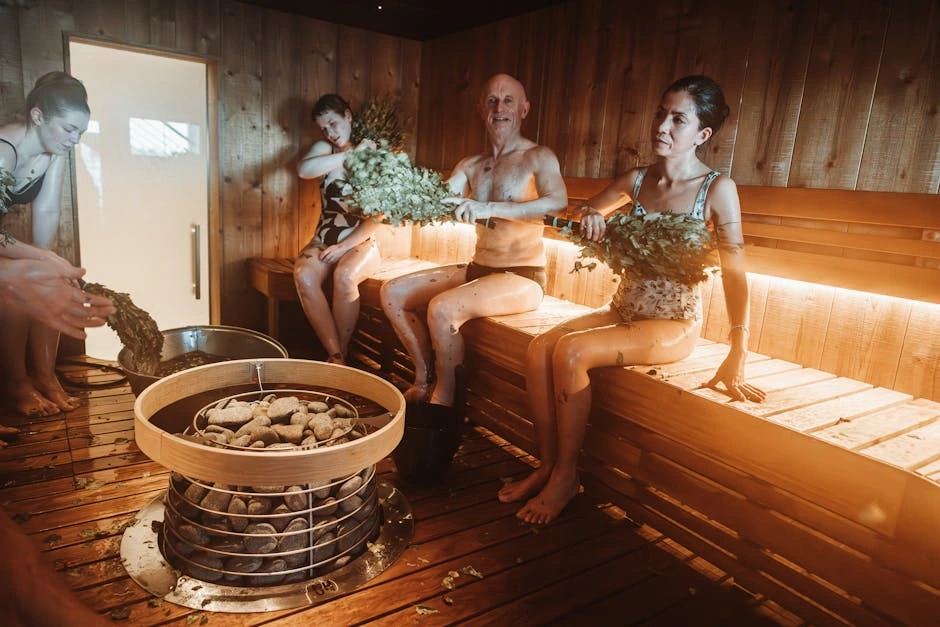
The most central serious jjimjilbang for a Myeongdong hotel base, and basically the default Seoul-Station-corridor pick. Siloam Sauna sits at 49 Jungrim-ro in Jung-gu, roughly five minutes by taxi from Myeongdong Station or a ten-minute Line 1 hop via Seoul Station, and runs 24 hours daily — the most accessible operating window on the circuit alongside Dragon Hill. Entry fees run ₩15,000 to ₩25,000 depending on time of day, with the late-night-to-early-morning premium adding the upper end of the range. The facility spans seven floors and includes the full canonical jjimjilbang format: separate-gender hot mineral bathing floors, a mixed-gender common area with the dry stone sauna rooms (the signature jjimjil zone with the salt room, jade room, charcoal room, and ice room sequence), a sleep hall for overnight stays, a casual restaurant floor with hard-boiled eggs and sikhye rice punch (the canonical bathhouse snack pairing), and a small PC and karaoke zone. Signage is bilingual Korean and basic English; full English staff coordination is not consistent, and travellers should bring a translation app for the more detailed treatment-menu questions. The Seoul Station accessibility is what makes Siloam the practical pick for a Myeongdong-area traveller — the late-evening or post-Sofwave-session window slots naturally between a Myeongdong dinner and an early-morning return to the hotel, and the 24-hour operating schedule supports the overnight stay format that is the canonical Korean bathhouse experience. The mineral-pool register at Siloam is one of the things that differentiates the operation from the larger Dragon Hill scale a few stops south. The bathing floors are built around a sequence of pools at different temperatures — a warm-water start pool in the 38-to-40 degree range, a hot mineral pool that runs warmer, a cold-plunge pool that the locals use to close out the rotation, and a quieter sit-and-rinse zone for travellers between rounds. The water-quality reputation at Siloam is what keeps the operation in the foreign-visitor guide rotations year after year, and the staff cycle the pools on a posted maintenance schedule that is more transparent than what the larger Yongsan operation manages. The stone sauna sequence on the mixed-gender floor is what most international travellers come for. The salt room, the jade room, the charcoal room, and the ice room each run on a different temperature register — salt the warmest at roughly 70 degrees, jade in the 50-to-60 range, charcoal in the 45-to-50 range, ice as the cool-down counterweight at room temperature — and the canonical rotation moves through the sequence in twenty-to-thirty-minute increments with rest intervals at the cotton-mat common floor between rooms. Allow two-to-four hours for the full sequence at a relaxed first-visit pace. Best for: travellers wanting the most central jjimjilbang option, late-evening or overnight visits, anyone whose first jjimjilbang attempt should be a quieter format than the Dragon Hill scale, mineral-pool-quality regulars who treat the water register as the meaningful trip variable. Skip if: you want the full English-language coordination that Dragon Hill provides, you prefer the larger amenities and water-park-adjacent scale that the Yongsan operation supports, or you are travelling with children who will want the seasonal outdoor pool the Seoul-Station-corridor operation does not run.
Featured B — Dragon Hill Spa & Resort
The most internationally recognised large-scale jjimjilbang in Seoul, queen of the canonical foreign-visitor reference. Dragon Hill Spa sits at 40 Hangang-daero 21na-gil in Yongsan-gu, directly attached to Yongsan Station on Line 1, and runs 24 hours daily across twelve storeys — making it the single largest urban bathhouse operation on the central Seoul circuit. Entry fees run ₩15,000 to ₩25,000 with the late-night premium structure, and additional fees apply for the larger amenity zones (outdoor swimming pool seasonally, fitness centre, PC zone, cinema, restaurant floors). Yongsan Station accessibility from Myeongdong runs one subway stop south on Line 1 (roughly seven minutes), and the A'REX airport express terminus at Seoul Station puts the bathhouse within a single transfer of Incheon Airport — which is why so many international travellers book Dragon Hill as the first-evening recovery stop after a long-haul arrival before the trip starts proper. The facility includes the full jjimjilbang format on a scale none of the other Seoul operations match — separate-gender hot mineral bathing floors with the canonical pool sequence (rose pool, jade pool, mineral pool, cold plunge), the mixed-gender common stone sauna sequence at the centre of the building, multiple sleep halls of different sizes, a casual restaurant floor with the standard Korean bathhouse menu, and the seasonal outdoor pool that is the defining summer photograph in international Dragon Hill coverage. English-language signage and front-desk coordination is the most consistent on the circuit, and the staff are accustomed to handling first-time foreign visitors. The twelve-storey scale is what most international travellers underestimate before the first visit. The building functions less like a single bathhouse and more like a self-contained wellness resort — separate floors for the bathing zones, the stone sauna sequence, the sleep halls, the restaurant floor, the entertainment amenities, and the seasonal outdoor pool — and a relaxed first-visit rotation can easily stretch to four-to-six hours without rushing any single zone. The signature pool sequence on the bathing floors runs a wider register than what the smaller operations carry: the rose pool reads as the canonical Instagram photograph in international Dragon Hill coverage, the jade pool runs a mineral-quality reputation comparable to the Siloam mineral register, and the cold plunge at the closing position of the rotation runs noticeably colder than what the smaller operations carry. The Yongsan district context matters for the rotation framing. The National Museum of Korea sits a fifteen-minute walk south of the station, the War Memorial of Korea is on the same Yongsan side, and the Yongsan Electronic Market is the canonical electronics-shopping detour for travellers building an extended day around the area. A morning museum visit, a midday lunch at the casual Yongsan Station food court, and an afternoon-to-evening Dragon Hill rotation reads as the canonical Yongsan-anchored half-day for international visitors. Best for: first-time jjimjilbang visitors who want the most coordinated foreign-language experience, post-flight recovery from Incheon Airport, summer travellers who want the outdoor pool, anyone pairing the bathhouse with a Yongsan-area visit (the National Museum of Korea is a short distance south), travellers building a longer four-to-six hour bathhouse afternoon. Skip if: you want the quieter Korean-cultural register that Siloam provides, you find twelve-storey scale overwhelming and would rather start with a smaller format, or your hotel base is locked to the Myeongdong commercial strip and you do not want the seven-minute Line 1 transit south to Yongsan.
Featured C — Itaewon Land Sauna
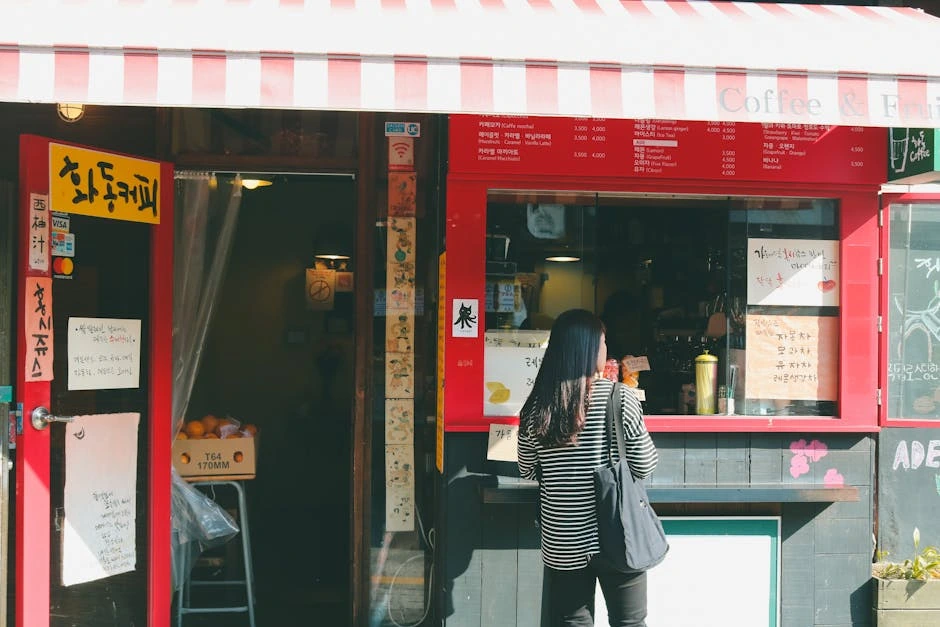
The long-running Itaewon district alternative, no notes basically. Itaewon Land Sauna sits at 21 Noksapyeong-daero 40-gil in Yongsan-gu, reachable from Myeongdong via Line 4 to Samgakji and then Line 6 to Itaewon (roughly fifteen minutes total), and runs 24 hours daily — matching Siloam and Dragon Hill at the most accessible operating window on the circuit. Entry fees run ₩12,000 to ₩20,000, the lowest entry pricing among the three jjimjilbang on this guide, with late-night premiums adding to the upper end. The facility is mid-scale by Seoul jjimjilbang standards — smaller than Dragon Hill, comparable to Siloam in footprint, with the standard separate-gender bathing floors, the mixed-gender stone sauna sequence, and a casual restaurant floor on the upper level. Signage and staff coordination is bilingual Korean-English with some Mandarin and Japanese support — Itaewon Land has historically served the high concentration of foreign residents in the Itaewon international district, and the foreign-visitor coordination is meaningfully more relaxed than it is at the Seoul Station or Yongsan operations. The Itaewon district setting is what differentiates this pick. A Myeongdong-area traveller who pairs an evening at Itaewon Land with dinner along the Itaewon main strip or the Gyeongnidan-gil neighbourhood west of the station gets the full Itaewon international-restaurant register on the same evening, which the Seoul Station and Yongsan corridors simply do not match. The bathing floor layout at Itaewon Land follows the standard Korean format on a smaller scale than what the larger operations carry — separate-gender hot pools with the warm-cold-mineral pool sequence, an outdoor terrace bathing zone that is unusual for the price point and reads as the canonical Itaewon Land photograph for international visitors, and a quieter stone sauna sequence on the upper mixed-gender floor. The outdoor terrace component is what regulars come back for, since the open-air bathing register is increasingly rare among central-Seoul jjimjilbang of this scale and reads particularly well during the cooler shoulder-season weeks (October-November and March-April). The Itaewon dining context matters for the rotation framing. The main Itaewon strip running east-west from the station carries the broadest range of international restaurants in Seoul — Turkish, Mexican, Thai, Indian, Pakistani, West African, Lebanese, and the long-running American expatriate spots — and the Gyeongnidan-gil neighbourhood west of the station has been the canonical natural-wine and craft-cocktail destination for the Seoul food scene for a decade. A pre-bathhouse dinner along Gyeongnidan or a post-bathhouse late-night ramyeon stop on the main strip is the move most international travellers eventually arrive at. The Hangangjin and Noksapyeong sub-districts also support quieter cafe and dessert detours for travellers who want a lower-energy bookend to the bathhouse evening. Best for: travellers building an evening rotation through the Itaewon district, anyone who wants the most relaxed foreign-visitor coordination on the circuit, budget-conscious bathhouse visits (the entry pricing is the lowest on this guide), shoulder-season visitors who want the outdoor terrace bathing zone, anyone whose Seoul trip already includes an Itaewon dinner reservation. Skip if: you want the most central Myeongdong-corridor location (Siloam holds that lock), or the largest amenity scale (Dragon Hill holds that lock), or you are travelling specifically for the more architecturally striking jjimjilbang format that the Yongsan operation provides.
Featured D — Sulwhasoo Flagship Store Spa (Gangnam)
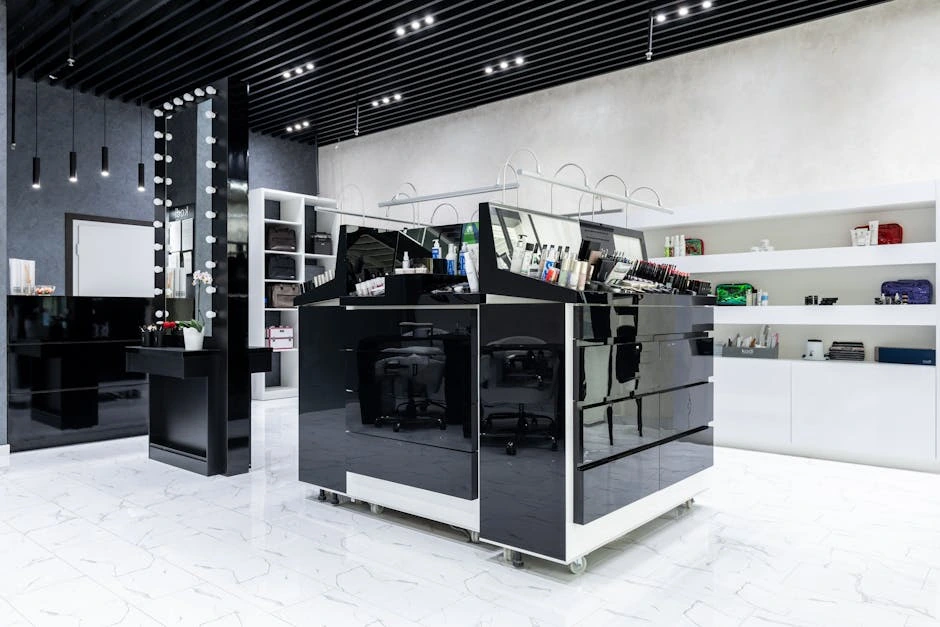
The prestige K-beauty register, iconic enough to be a real trip variable. The Sulwhasoo Flagship Store Spa sits at 18 Dosan-daero 45-gil in Gangnam-gu, in the Sinsa-Apgujeong cluster reachable from Myeongdong on a single Line 3 hop (transfer at Chungmuro, exit at Apgujeong, roughly twenty minutes door to door), and operates 10:00 to 19:00 daily — the only one of the four sites on this guide running on a daytime-spa rather than 24-hour bathhouse schedule. Treatment pricing starts at roughly ₩200,000 for the entry signature facial and runs significantly higher for the multi-step ginseng-based prestige protocols that the brand built its global reputation around. The spa is Amorepacific's flagship demonstration space for the Sulwhasoo brand — the building is a Neri&Hu architectural commission that has been covered in Tatler Asia, Vogue Korea, and the international beauty press as one of the most architecturally significant retail-and-spa flagships in Seoul, and the upper-floor spa is operationally the canonical Korean prestige K-beauty treatment experience. Reservations are required and English-speaking therapists are available with advance booking through the official Sulwhasoo flagship reservation system. The treatment menu is centred on the brand's ginseng-based skincare protocols rather than the public-bathhouse hot-pool format — this is a luxury skincare flagship spa, not a jjimjilbang, and is presented as Featured D on this curated four because the bathhouse-and-skincare layer reads as a single wellness category for the international traveller building a beauty-focused Seoul trip. The architectural register of the building is what makes the visit memorable even before the spa floor. The Neri&Hu commission is a five-storey freestanding building with a vertical-lattice facade that filters daylight through the interior across the day, and the lower retail floors function as an open demonstration space for the full Sulwhasoo product line with consultation desks and the brand's signature ginseng-tea hospitality. The upper-floor spa is built around a sequence of treatment suites with single-therapist coordination, which differentiates the experience from the larger department-store-floor spa formats and is one of the reasons the international beauty press has covered the operation as a benchmark for the Korean prestige spa category. Treatment protocols typically run 90 to 120 minutes and centre on the brand's First Care, Concentrated Ginseng Renewing, and Timetreasure product lines — each protocol is a multi-step facial sequence built around the brand's ginseng-based active ingredients with the canonical massage, mask, and ampoule layering that the Sulwhasoo product training builds around. The post-treatment ginseng tea service in the upper-floor lounge is the canonical closing moment and reads as one of the more distinctly Korean hospitality registers in the Seoul prestige spa category. The Sinsa-Apgujeong district context is what makes the rotation pair so naturally with the rest of the day. Garosu-gil is a five-minute walk from the spa, the Boon the Shop and 10 Corso Como Seoul retail destinations are within the same walking radius, and the Apgujeong Rodeo dining cluster supports the canonical post-spa dinner reservation. Best for: travellers who treat the prestige K-beauty register as a meaningful trip variable, anyone whose Seoul itinerary already includes a Sinsa-Apgujeong shopping morning, post-Sofwave-session pairings where the daytime spa schedule fits the trip rhythm, beauty editors and skincare regulars building a benchmark visit to the canonical Korean prestige spa, anyone pairing the spa with a Garosu-gil retail or dining rotation. Skip if: you want the actual jjimjilbang experience (the three picks above hold that lock), the budget-tier entry pricing the public bathhouses provide, or the 24-hour operating window the public bathhouses run. The Sinsa-Apgujeong return trip to Myeongdong on Line 3 also pairs naturally with a Garosu-gil dinner reservation, which is the move most queens building this rotation eventually arrive at.
How the four sites compare at a glance
Categorical positioning, not ranking — pick the bathhouse evening that fits the trip.
| Site | Distance from Myeongdong | Hours | Entry / Treatment | Best for |
|---|---|---|---|---|
| Siloam Sauna | 5 min by taxi / Line 1 via Seoul Station | 24 hours | ₩15,000 - ₩25,000 | Most central jjimjilbang, late-night visits |
| Dragon Hill Spa & Resort | 1 subway stop on Line 1 (Yongsan Station) | 24 hours | ₩15,000 - ₩25,000 | First-time bathhouse visit, post-flight recovery |
| Itaewon Land Sauna | Line 4 + Line 6 transfer (~15 min) | 24 hours | ₩12,000 - ₩20,000 | Itaewon district evening, budget pricing |
| Sulwhasoo Flagship Store Spa | 1 subway hop on Line 3 (Apgujeong) | 10:00 - 19:00 | Treatments from ₩200,000 | Prestige K-beauty register, daytime spa |
How to build a real two-or-three-bathhouse rotation from Myeongdong
Day one is the orientation-bathhouse evening. After a Myeongdong shopping afternoon and an early dinner, taxi south to Siloam Sauna for the 20:00 to 23:00 window — three hours through the full bathhouse sequence (separate-gender hot pools first, then the mixed-gender stone sauna rooms, then a casual restaurant break with hard-boiled eggs and sikhye), back to the hotel by midnight. The Seoul Station corridor location keeps the evening anchored to the Myeongdong base without the longer transit Dragon Hill or Itaewon Land require. Day two is the daytime spa option. After a morning Sofwave session and a lunch in the Sinsa-Apgujeong cluster, walk to the Sulwhasoo Flagship Store Spa for a 14:00 or 15:00 prestige-skincare treatment (reservation made three to seven days ahead), then close the afternoon with a Garosu-gil dinner before the Line 3 return. Day three, if it exists, is the optional Itaewon detour — an early-evening rotation starting at 17:00 with dinner along Gyeongnidan-gil, then a 21:00 to midnight session at Itaewon Land Sauna. Dragon Hill Spa sits in a different rotation framing — it reads best either as the post-flight recovery evening for travellers arriving at Incheon (A'REX to Seoul Station, transfer one stop south on Line 1, overnight at Dragon Hill, taxi to Myeongdong the next morning) or as a half-day rotation built around the National Museum of Korea visit south of Yongsan.
Where the Sofwave program fits into a bathhouse-anchored trip
Logistics, briefly. Sofwave SUPERB sessions in central Seoul typically run 30 to 45 minutes with functionally zero downtime — mild erythema for two to four hours, occasional transient warmth, no swelling pattern of consequence. The bathhouse pairing requires one timing note: the post-Sofwave six-to-twelve-hour window is when most clinics ask patients to avoid sustained high-heat exposure on the treated areas, which means scheduling a Siloam or Dragon Hill or Itaewon Land hot-pool evening on the same day as the treatment is the wrong move. The cleaner rhythm is morning Sofwave session, afternoon shopping or museum rotation, evening Myeongdong dinner, next-day bathhouse evening. The Sulwhasoo Flagship Store Spa is a different story — the prestige skincare protocols are mostly room-temperature gentle facials rather than hot-pool exposure, and the daytime spa schedule fits cleanly into a post-Sofwave activity day after the initial erythema has resolved. We cover the same-day post-treatment activity framing in the no-downtime overview and the broader half-day Sofwave-and-walking structure in the half-day treatment guide. For travellers building the bathhouse rotation around a specific Sofwave date, anchor the treatment on day one and slot the jjimjilbang evenings on day two and three.
Seasonal notes and what shifts through the bathhouse year
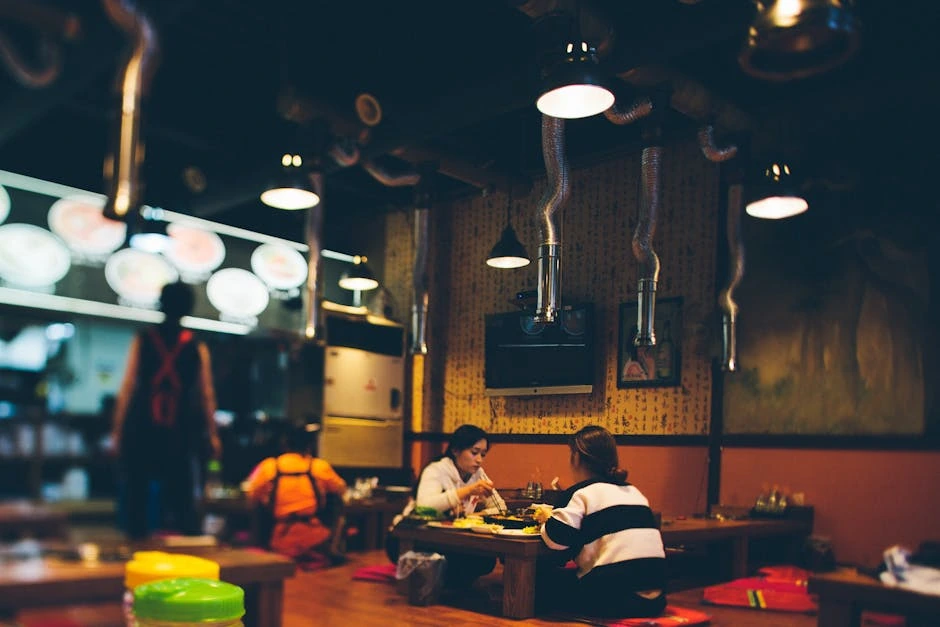
Seoul's bathhouse circuit is more seasonal than international visitors expect. Winter is the canonical jjimjilbang season — the hot mineral pools and stone sauna sequence read at their most welcome through December, January, and February, when central Seoul temperatures run below freezing. Summer brings the outdoor-pool window at Dragon Hill, which operates a rooftop pool from mid-June through early September; Siloam and Itaewon Land have no outdoor-pool components and read more as cool-air refuge in the high-humidity weeks. Spring brings the cherry-blossom-and-bathhouse pairing, with the peak forecast published through the Korea Meteorological Administration in mid-March. Autumn is the quietest bathhouse season — lower domestic crowd density, comfortable outdoor temperatures that make the bathhouse a contrast rather than a necessity. Korean holidays (Seollal, Chuseok) shift operating schedules — some operations close entirely on holiday-day mornings, so re-check the official channels three to five days ahead.
“Central Seoul's bathhouse layer rewards the traveller who treats it as a curated rotation rather than a checklist — Siloam for the central Myeongdong-corridor evening, Dragon Hill for the canonical first visit, Itaewon Land for the international-district detour, and the Sulwhasoo flagship for the prestige K-beauty register that completes the wellness day.”
Editorial — Myeongdong Sofwave
Frequently asked questions
Which jjimjilbang is closest to a Myeongdong hotel base?
Siloam Sauna, at roughly five minutes by taxi from Myeongdong Station or a ten-minute Line 1 hop via Seoul Station. It runs 24 hours daily with entry fees of ₩15,000 to ₩25,000, and the Seoul Station corridor location makes it the most practical late-evening bathhouse pick for travellers anchored to a Myeongdong hotel base. Signage is bilingual Korean-English; bring a translation app for the more detailed menu questions.
Is Dragon Hill Spa really worth the trip from Myeongdong?
Yes, queen — for first-time jjimjilbang visitors and post-flight Incheon recovery especially. Dragon Hill is one subway stop south on Line 1 (about seven minutes from Seoul Station), runs 24 hours across twelve storeys, and has the most consistent English-language coordination on the circuit. The seasonal outdoor pool is the defining summer photograph, and the A'REX express from Incheon Airport puts the bathhouse within a single transfer of arrival — which is why it anchors so many post-long-haul recovery routines.
What should I expect on my first jjimjilbang visit?
The format runs in a standard sequence — pay at the front desk, change into the provided cotton uniform, separate-gender hot-pool floors first (no swimwear, bathing is nude in the bathing zones), then the mixed-gender stone sauna rooms in the cotton uniform, then a casual restaurant break with the canonical hard-boiled eggs and sikhye. Allow two to four hours for a relaxed first attempt. Siloam and Dragon Hill both offer the cleanest first-visit experience for international travellers.
Can I sleep overnight at a jjimjilbang in Seoul?
Yes — the overnight stay format is one of the canonical Korean bathhouse experiences, and all three jjimjilbang on this guide (Siloam, Dragon Hill, Itaewon Land) operate 24 hours with sleep halls of varying capacity. Overnight entry typically runs ₩20,000 to ₩25,000 inclusive of the sleep-hall use. The format reads particularly well as a post-Incheon-arrival recovery option for travellers landing late at night without an immediate hotel check-in window.
Is the Sulwhasoo Flagship Store Spa actually a jjimjilbang?
No — Sulwhasoo is a luxury skincare flagship spa rather than a public bathhouse, and is presented as Featured D on this curated four because the bathhouse-and-skincare layer reads as a single wellness category for international travellers. Treatments start at roughly ₩200,000, reservations are required through the official Sulwhasoo channels, and the spa runs daytime hours (10:00 to 19:00) rather than the 24-hour jjimjilbang format. The Sinsa-Apgujeong location is one Line 3 hop from Myeongdong.
Can I combine a Sofwave session with a jjimjilbang evening on the same day?
Not recommended — most clinics ask Sofwave patients to avoid sustained high-heat exposure on the treated areas for six to twelve hours after the session, which rules out the hot-pool floors at Siloam, Dragon Hill, and Itaewon Land on the same day. The cleaner rotation is a morning Sofwave session, an afternoon shopping rotation, an evening Myeongdong dinner, and the bathhouse evening shifted to day two. The Sulwhasoo daytime spa is a separate case — gentle skincare protocols rather than hot-pool exposure.
Which jjimjilbang has the best English-language coordination?
Dragon Hill Spa, by a clear margin — the front-desk staff are accustomed to handling first-time foreign visitors arriving from Incheon Airport on the A'REX express, and the signage is consistently bilingual Korean-English across the twelve-storey facility. Siloam and Itaewon Land both run on bilingual Korean-English signage with more limited staff coordination; bring a translation app for the more detailed treatment-menu questions outside of Dragon Hill.
Are tattoos a problem at Korean bathhouses?
Historically yes — Korean public bathhouses have had inconsistent policies on visible tattoos for the bathing-floor zones, with some operations requiring tattoos to be covered with adhesive bandages. International travellers with visible tattoos should check the policy at each operation in advance; Dragon Hill Spa has been the most consistently accommodating of foreign visitors with tattoos, while smaller operations vary. The mixed-gender stone sauna floors in the cotton uniform are not affected by the tattoo policies.